
Netreti

Internet (WAN)

Not All Internet Connections Are Created Equal— Nor Available.

The role of an ISP is similar to the electrical utility — they deliver service to the building. We determine the right delivery type and bandwidth, coordinate the installation, and the providers pay the bill.

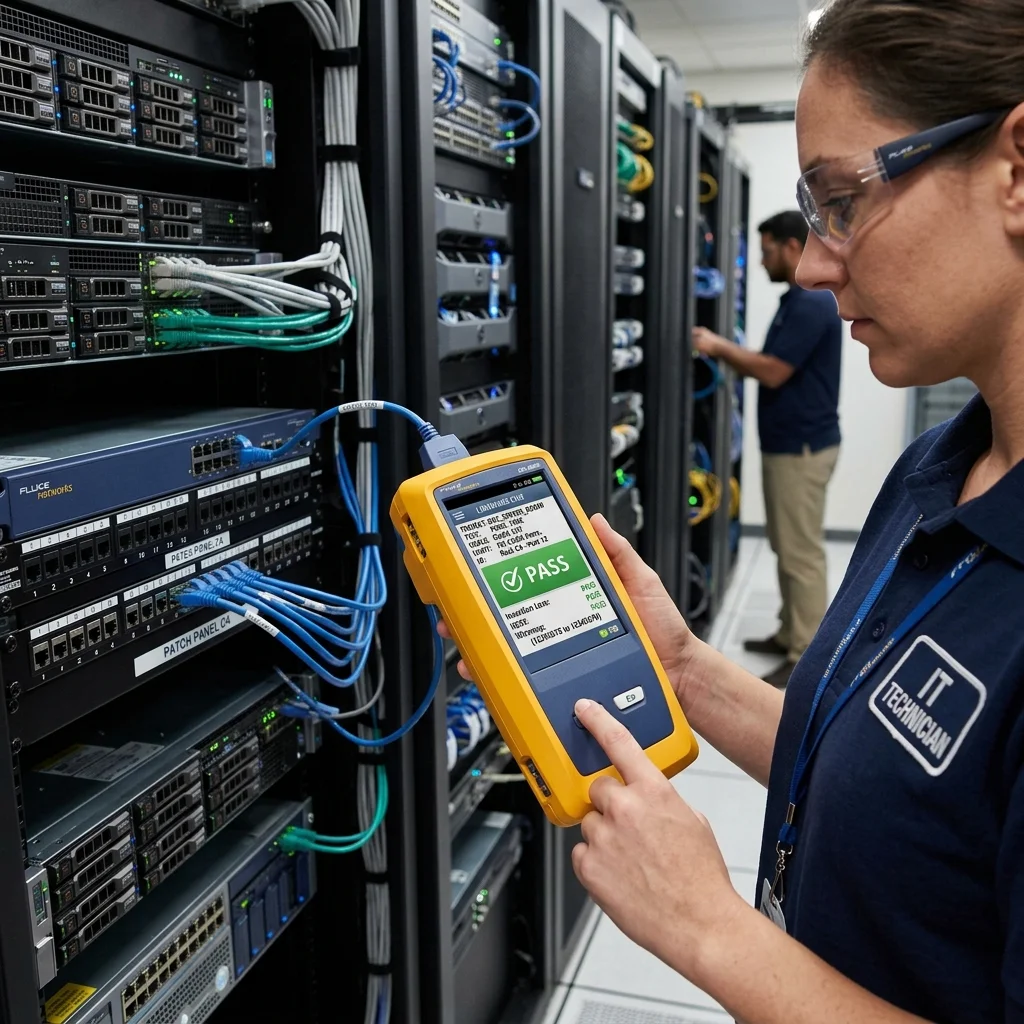
High-speed fiber optic connection panel in a telecom room

Wide Area Network (WAN)

ISP Coordination & Right-Sized Bandwidth.

Getting internet into a new building shouldn't be a headache. Netreti works directly with local and national ISPs to query address availability, evaluate fiber paths, design entry conduit, and right-size the speed profiles for your building.

We handle the full ISP provisioning lifecycle — from technical surveys to scheduling the handoff. And because we coordinate directly with carrier networks, provider commissions are often credited back, meaning our consultation saves you money.

Connection types

Four Ways the Internet Shows Up to Your Building.

Fiber Optic

Incredibly fast, symmetrical speeds with low latency. Available as dedicated or shared circuits.

  • Dedicated 100 Mbps × 100 Mbps

    Exclusive, guaranteed bandwidth — consistent speeds regardless of who else is online. Ideal where uptime and performance matter. SLAs may include faster response and reimbursement for downtime. Speeds range from 10 Mbps to multi-Gig.

  • Shared 1 Gbps × 1 Gbps

    Cost-effective connectivity that divides bandwidth across users. Great for small business or residential settings where peak demand is moderate.

Cable (coax)

Widely available, fast downloads. Upload speeds are typically slower; circuits are shared and can be affected during peak usage.

  • Standard 950 Mbps × 35 Mbps

    Coax is delivered on a shared network among many providers. Download and upload speeds are typically asymmetrical, ranging from 50 Mbps to multi-Gig (down).

Fixed Wireless

Radio signals instead of physical cables. Available as dedicated or shared.

  • Dedicated 50 Mbps

    Guaranteed bandwidth, unaffected by other users. Suitable where wired connections are limited but reliability still matters.

  • Shared 100 Mbps

    Cost-effective shared bandwidth, fine for residential or small business settings with moderate demand.

Cellular Internet (5G)

High-speed wireless via cellular networks. Connections are typically shared.

  • Shared 300 Mbps

    Internet on-the-go and in areas without wired options. Speeds vary with network congestion and signal strength.

Pricing and speeds shown are illustrative — actual offerings vary by provider and location. This isn't an exhaustive list.

Not Sure What's Available at Your Address?

We'll check ISP availability and recommend the right circuit for your bandwidth, uptime, and budget needs.